
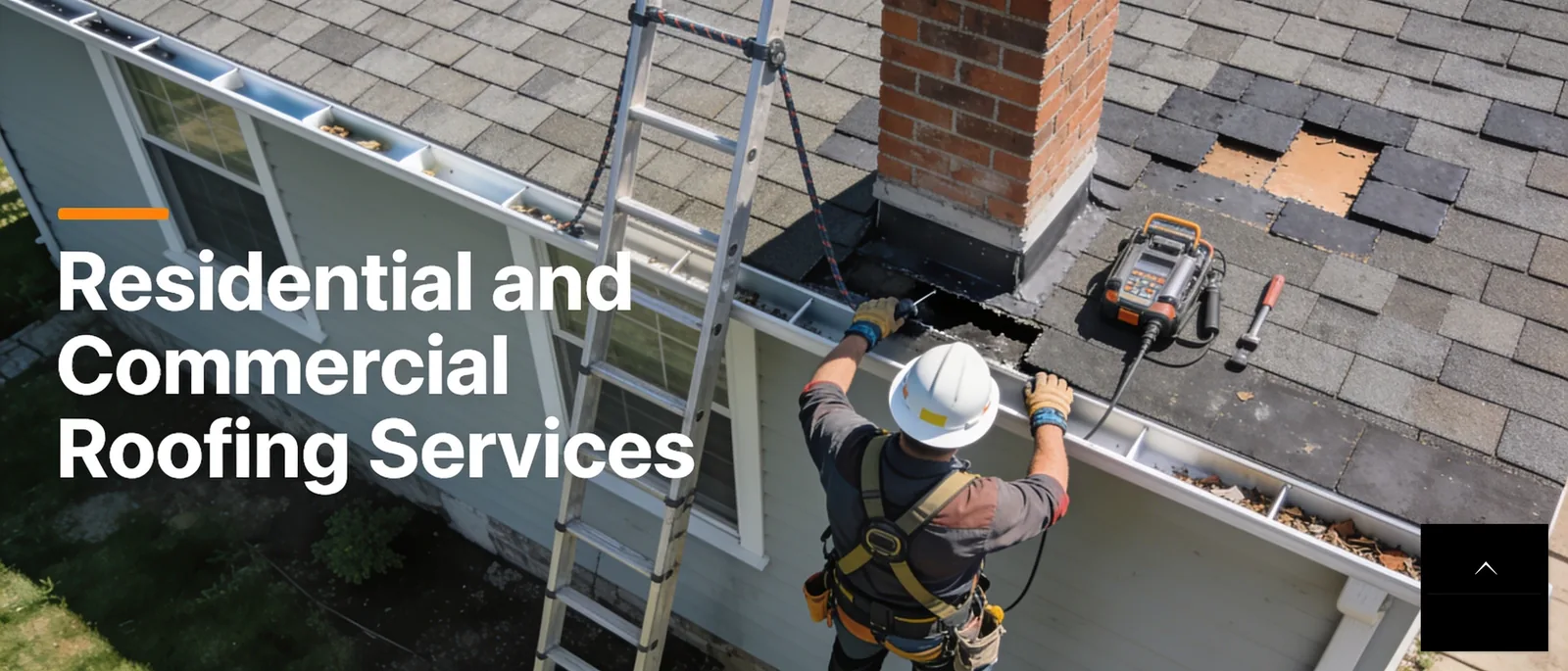
Common roofing problems include missing or curling shingles, leaks near chimneys and flashing, soft or sagging spots, and clogged gutters causing water backup. Roofing Repair Specialists notes these warning signs often start small but worsen into costly structural damage when ignored. Licensed professionals across service areas, including Nashville, Tennessee, provide free estimates and address issues before they escalate.
Key Takeaways
- Missing shingles and worn flashing develop into leaks and extensive damage without prompt repair attention.
- Small roof issues like damaged shingles escalate quickly into costly problems affecting your home’s structural integrity.
- Roofing Repair Specialists in Miami Beach, Florida addresses common problems before they compromise your building’s protection.
- Leaks near chimneys and soft spots indicate underlying damage requiring immediate professional inspection and repair.
Why Does That Small Leak Matter So Much?
A small leak near the chimney rarely stays small for long. Warning signs like a few missing shingles or a faint drip stain often signal damage that spreads quietly behind the walls and under the decking. Left unchecked, these minor issues frequently grow into far larger, costlier repairs before homeowners even notice a problem.
Damaged shingles and worn flashing behave the same way. Once water finds a gap, it moves fast, seeping into insulation, framing, and drywall. A single loose shingle can turn into a saturated attic within a season, especially during heavy rain or snowmelt.
Can a tiny leak really cause major damage?
Yes. Moisture that enters through a small gap spreads across the roof deck. Into surrounding structural wood, often before any stain appears on the ceiling below. What looks like a minor cosmetic flaw on the surface can already be undermining the layers beneath it.
What should a homeowner do after spotting a leak?
The safest first move is a professional inspection rather than a DIY patch job. Roofing Repair Specialists connects homeowners with licensed roofing contractors who evaluate the full scope of roof repair needs, from flashing and shingles to deeper structural concerns.
Before committing to any work, homeowners can request a free estimate backed by a a notable share satisfaction guarantee. That combination gives property owners a clear, low-risk way to size up the problem:
- Licensed professionals assess the source of the leak, not just the visible symptom
- Free estimates outline cost and scope before any commitment
- Emergency service options address active leaks quickly
Acting early keeps a five-minute fix from becoming a full roof replacement conversation later.
Is a Curling or Missing Shingle Serious?
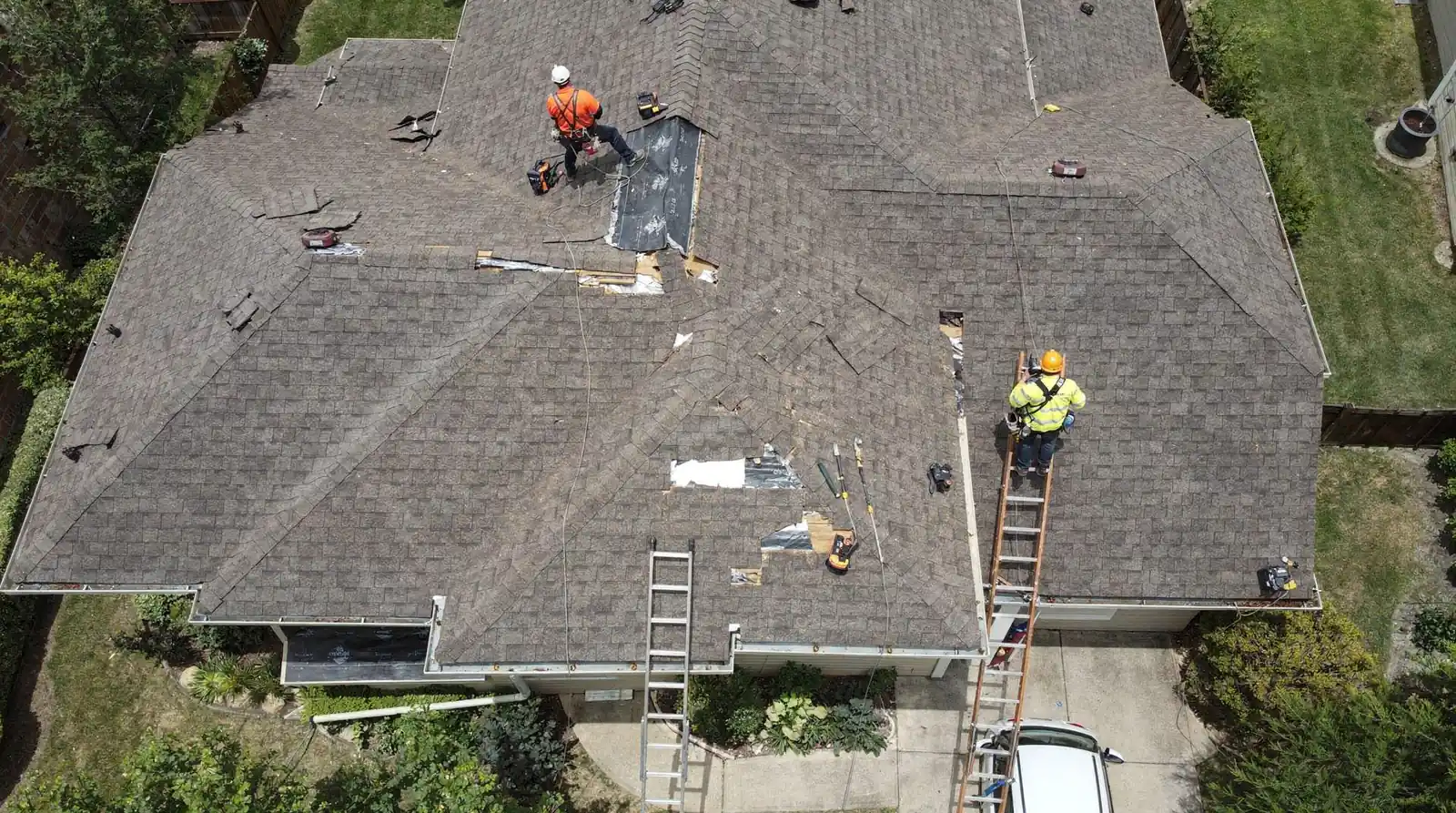
Curling and missing shingles rank among the clearest warning signs a homeowner can spot without climbing a ladder. Cracked or broken shingles expose the underlayment beneath them. That exposed layer invites water damage fast once storms roll through. A single curled edge might look minor, but moisture finds every gap it can.
Damage rarely stays isolated. Wind lifts one weakened shingle, then rain works its way underneath the next, and within weeks a small cosmetic flaw becomes a structural concern. Homeowners should walk the perimeter of their property. Visually check for tile or shingle damage, particularly after heavy storms or high winds. Catching the problem early is the difference between a quick patch and a much larger bill.
How Do I Know If Shingle Damage Needs Professional Repair?
Granule loss, visible cracks, or shingles that elevator at the edges signal it’s time to call a roofing contractor rather than reach for a tube of sealant. A trained professional can distinguish between surface wear and damage that has already reached the underlayment. Waiting on a proper inspection often turns a pricing varies fix into a pricing varies one.
What Does Professional Shingle Repair Involve?
Reliable roofing services address damaged sections across multiple systems, including asphalt shingle, metal, apartment roofing, TPO, PVC, rubber, and spray foam roofs. A qualified roofing company uses high-quality materials. Up-to-date equipment to restore the damaged area properly, rather than masking the symptom.
Homeowners weighing next steps can consider:
- Scheduling a visual inspection within days of noticing curling or missing shingles
- Documenting damage with photos for insurance and contractor reference
- Avoiding rooftop walking without proper safety equipment
- Requesting a roof repair estimate before damage spreads to decking or insulation
Ignoring these signs rarely saves money. It usually postpones a larger, costlier problem.
Should You Worry About a Sagging Roof Spot?
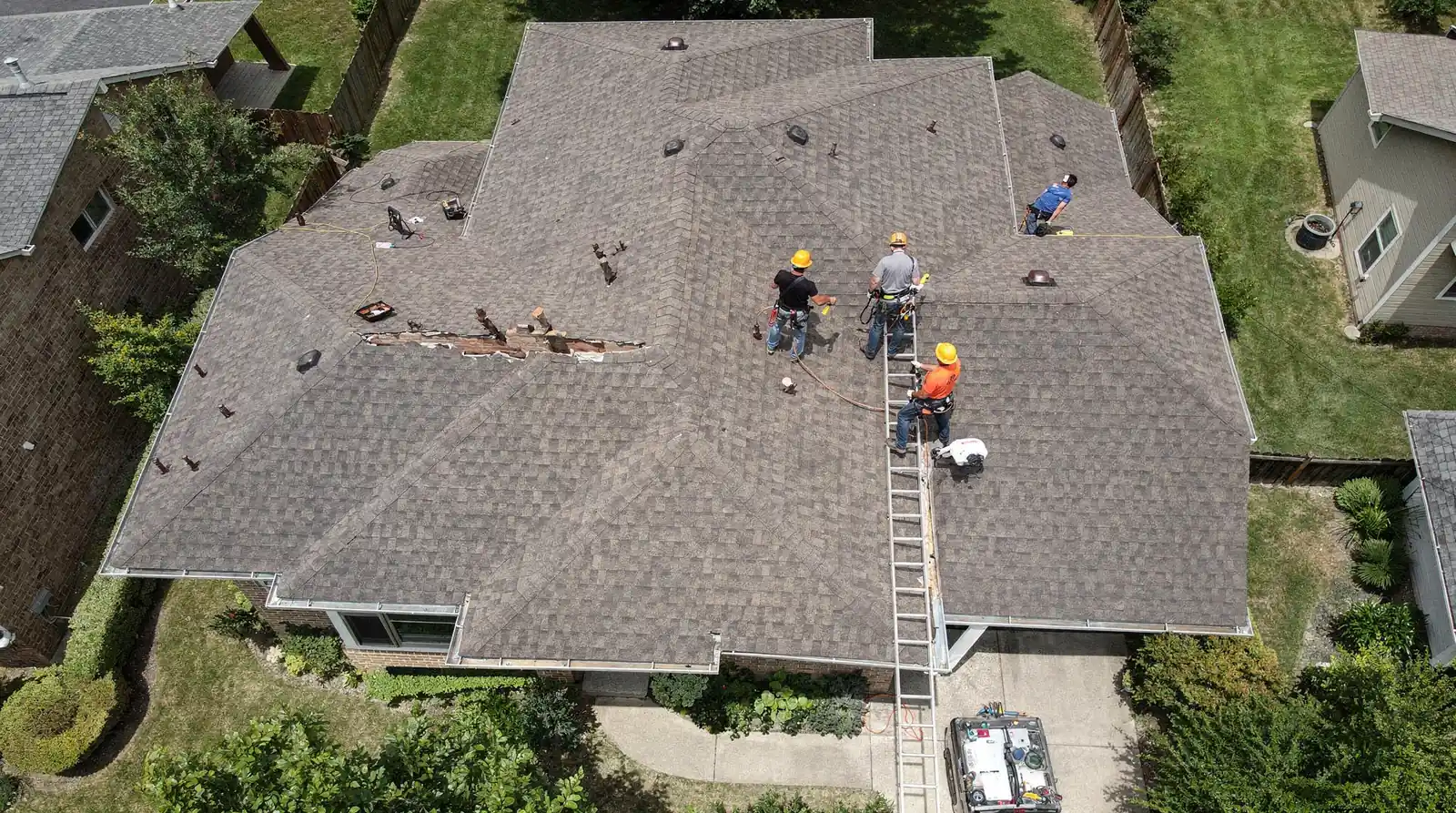
A soft or sagging spot signals a structural problem that deserves prompt attention, not a wait-and-see approach. Homeowners who notice this warning sign face a real risk: moisture has likely compromised the decking or supports beneath the surface, and the damage rarely stays contained. Ignoring the area often turns a modest fix into a full roof replacement down the line.
Climbing up to inspect the spot personally carries its own danger. Without proper training or safety equipment, walking across a weakened roof can lead to a fall or a sudden collapse underfoot. That risk alone is reason enough to bring in a licensed roofing contractor rather than testing the area solo.
How often should a roof get inspected for sagging?
Routine inspections catch soft spots and early structural shifts before they escalate into expensive repairs. Scheduling a check twice a year, or immediately after storm damage, gives a homeowner a much better chance of stopping trouble early.
Who should assess a sagging roof spot?
A qualified roofing company with local reach can respond quickly once a concern is reported. Roofing Repair Specialists draws on a nationwide network of licensed and insured roofers, which allows for fast mobilization and consistent workmanship standards across markets. That kind of coverage matters when a soft spot needs eyes on it within days, not weeks.
Once on site, technicians follow OSHA-aligned safety practices and structured quality control rather than relying on guesswork. This approach keeps the assessment methodical:
- Identify the source of moisture or structural stress
- Determine whether roof repair will resolve the issue or replacement is warranted
- Document findings before recommending next steps
For homeowners weighing DIY fixes against professional roofing services, the safer, more reliable path is clear: a trained crew, proper equipment, and a documented plan beat a ladder and a guess every time.
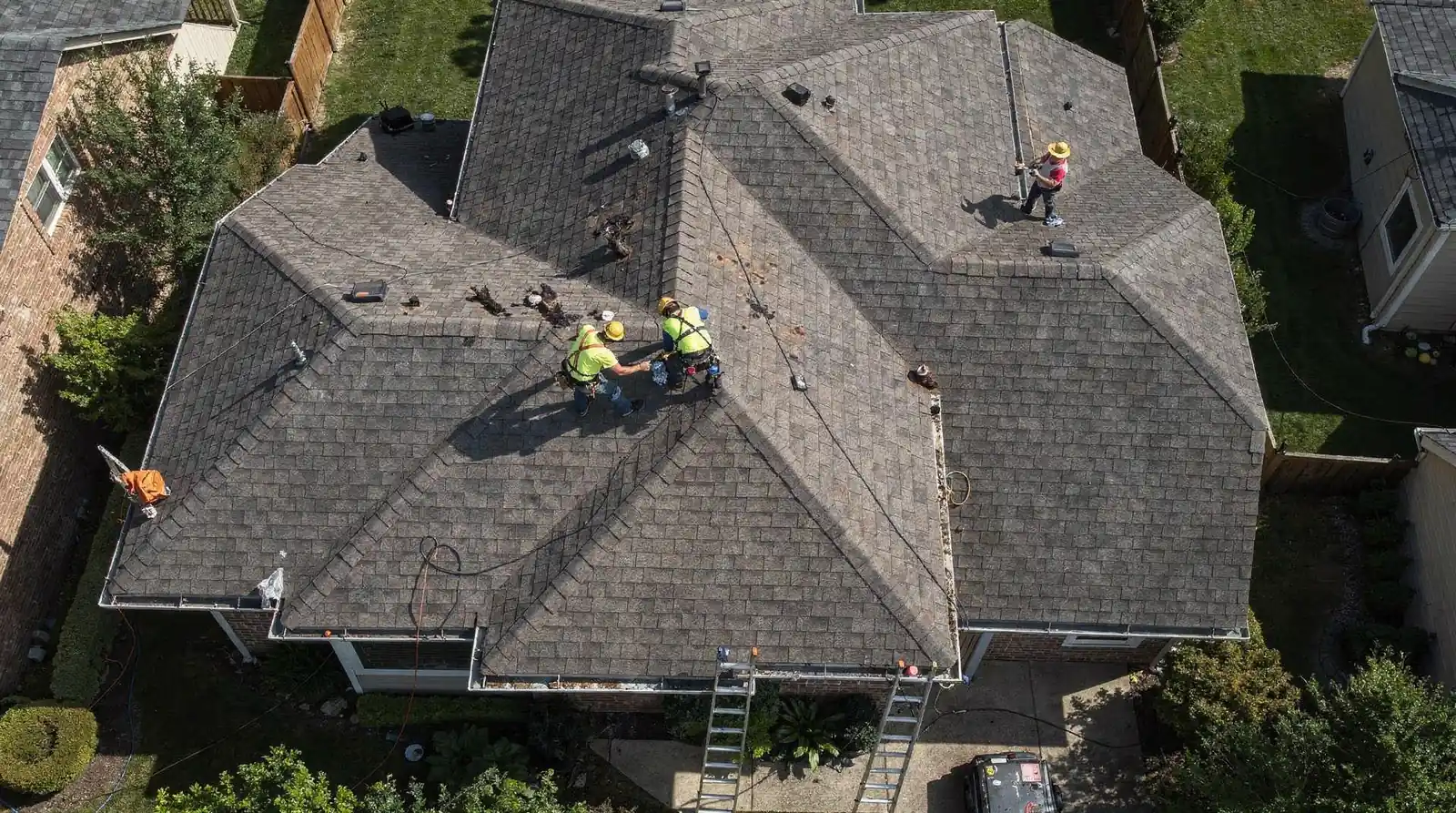
Could a High Energy Bill Point to Roof Trouble?
A spike in monthly utility costs often traces back to a struggling roof, not a faulty thermostat. Even well-built roofing systems develop problems over time that weaken their protective and insulating performance, letting conditioned air escape through gaps, worn flashing, or thinning insulation layers. Heat rises through compromised attic spaces in winter; cooled air leaks out through the same weak points in summer. The utility bill becomes an early warning system long before a visible leak appears.
Why would an aging roof affect indoor temperature control?
Deteriorated materials lose their ability to block heat transfer, forcing HVAC systems to work harder. Small gaps around vents, chimneys, or damaged shingles allow conditioned air to escape steadily. Over months, that inefficiency compounds into a noticeably higher bill.
Should homeowners call a roofer before the next bill arrives?
Waiting rarely saves money. A licensed roofing contractor can inspect insulation, ventilation, and surface wear to pinpoint where energy is escaping.
Homeowners facing this pattern have a few paths forward:
- Roof maintenance programs that catch wear before it drives up energy costs
- Hail or storm damage restoration when recent weather has compromised the surface
- A full roof replacement paired with manufacturer-backed warranties, including PVC membrane systems carrying coverage up to 25 years, for long-term energy performance and peace of mind
Choosing routine upkeep over reactive fixes protects both comfort and budget. A rising bill deserves the same attention as a visible leak. Both point toward a roof that needs a professional look, not a guess.
When Is It Time to Call a Roofing Professional?
Warning signs like curling shingles, sagging spots, or sudden spikes in energy bills signal a call to a licensed roofing contractor is overdue. Waiting on these symptoms risks turning a minor repair into a full roof replacement, often at a far higher cost. A trained professional identifies the source of damage before it spreads to decking, insulation, or interior ceilings.
Detailed research and a thorough assessment give property owners an accurate picture of a roof’s true condition. This evaluation, paired with competitive pricing, helps determine whether a targeted roof repair solves the problem or whether full replacement makes more financial sense long-term.
How fast should a homeowner expect a response after reporting damage?
A streamlined intake process and consistent communication reduce the waiting period between the first phone call and an on-site evaluation. Minimizing downtime matters most after storm damage, when exposed decking invites further leaks with every passing day.
Does location affect access to reliable roofing services?
Roofing Repair Specialists coordinates a nationwide network of licensed roofers from its base in Miami Beach, Florida. Coverage extends across multiple markets, including Florida, Texas, Colorado, and additional states, giving homeowners local access to the same roofing company standards nationwide.
Homeowners should schedule a professional evaluation when they notice:
- Water stains spreading across ceilings or walls
- Shingles that curl, crack, or go missing after wind events
- Soft or sagging sections underfoot
- Rising heating or cooling bills tied to poor attic ventilation
- Visible daylight through the roof deck in the attic
Any one of these signs justifies a call rather than a delay.
Roofing problems demand prompt attention to protect your home’s structural integrity and prevent costly damage. Whether you’re addressing leaks, missing shingles, or storm damage, understanding these common issues empowers you to recognize warning signs early and take decisive action. Our licensed professionals stand ready to diagnose your roof’s condition and deliver reliable solutions tailored to your specific needs. Contact Roofing Repair Specialists today for a free estimate and discover how we restore your roof to peak performance.
Are Other Parts of Your Home Ready for Severe Weather?
Roof problems often lead homeowners to take a closer look at the rest of their property’s condition. While protecting the roof is a priority, other areas of the home, including garages, can benefit from better organization and storage solutions, especially in regions prone to storms and humidity.
A well-organized garage makes it easier to store seasonal items, tools, and emergency supplies safely while keeping them protected from moisture and clutter. Homeowners in South Florida frequently invest in garage cabinets to maximize storage space and create a cleaner, more functional environment.
Taking a proactive approach to home maintenance, both inside and out, helps preserve property value and ensures your home remains prepared for whatever the seasons bring.
FAQ
What are the most common roofing problems homeowners notice?
Beyond curling shingles and chimney leaks, clogged gutters are one of the most overlooked culprits. When debris blocks proper drainage, water backs up under the roof edge instead of flowing away from the structure, leading to rot at the fascia and soffit that’s easy to miss during a quick visual check. Regular gutter cleaning and a seasonal roof inspection catch this before it reaches the decking.
Why does a small roof leak matter so much?
Cost is the real driver. A leak caught early is typically a targeted flashing or shingle repair, but the same leak left alone for a season can mean replacing saturated insulation, damaged drywall, and sections of decking. Roofing Repair Specialists’ free estimate lets homeowners see that cost difference upfront, before deciding how to proceed.
What should homeowners do when they spot roof damage?
Start with a photo record of the damage, then schedule a professional inspection rather than climbing up to assess it personally. Roofing Repair Specialists connects homeowners with licensed, insured contractors who can typically evaluate the issue within days, outline whether repair or replacement makes sense, and provide a free estimate backed by a satisfaction guarantee before any work begins.