

The Complete Guide to Roof Installation and Maintenance
When it comes to Roof Installation, roofing Repair Specialists in Miami Beach, Florida recommends biannual roof inspections, ideally each spring and fall, to catch loose shingles, clogged gutters, and flashing damage early. Regular maintenance prevents leaks, extends roof lifespan by years, and protects your home from Florida’s intense heat, humidity, and storm-driven wind and rain damage.
Roof maintenance requires a checklist of 11 chores performed annually to catch minor issues before they escalate. Reactive repairs cost up to four times more than preventative maintenance. Scheduling inspections consistently helps a roof last past 30 years instead of just 20.
Effective roof maintenance combines seasonal inspections, prompt repairs, and material-specific care to extend a roof’s service life. A thorough checklist covers 11 essential chores, including gutter clearing, flashing checks, and debris removal. Licensed professionals, such as Roofing Repair Specialists, handle structural repairs and storm damage. Property owners manage routine visual inspections and minor upkeep between scheduled evaluations.
Key Takeaways
- Regular annual roof inspections identify minor issues early, preventing costly damage to your roofing system.
- Roofing Repair Specialists in Miami Beach provides professional maintenance services for homeowners in Florida.
- A comprehensive maintenance program includes 11 essential chores to extend your roof’s lifespan significantly.
- Preventative maintenance addresses problems before they escalate, saving homeowners money on emergency repairs.
What Will This Roof Maintenance Guide Cover?
This guide walks property owners through the seasonal chores, warning signs, and professional touchpoints that keep a roofing system performing for decades. Consistent upkeep significantly extends a roof’s service life, and yearly assessments catch minor issues before they escalate into structural damage. Homeowners and commercial property managers alike will find a practical framework for deciding what to inspect, when to act, and who to call.
Why does a maintenance guide matter for property owners?
Skipping inspections carries a steep financial penalty. Reactive repairs after a roof failure can cost up to four times more than routine preventative maintenance, turning a minor patch job into a major capital expense. A structured checklist protects that investment long before water reaches the ceiling.
The sections ahead cover:
- Seasonal inspection schedules for residential roofing and commercial roofing systems
- Material-specific care tips for shingles, metal, and apartment membrane roofs
- Clear signals that separate a simple roof repair from a full roof installation
- Guidance on documenting damage and preparing for storm or hail events
- Criteria for choosing a licensed contractor versus attempting DIY fixes
When should a property manager call a professional instead of doing it alone?
Steep pitches, multi-story commercial buildings, and suspected structural damage call for licensed expertise rather than a ladder and good intentions. Roofing Repair Specialists connects property owners nationwide with licensed professionals covering installation, repair, replacement, maintenance, and emergency response. Every project includes a free estimate. A 100% satisfaction guarantee, giving owners a low-risk way to get a second opinion before problems compound.
How Often Should You Inspect Your Roof?
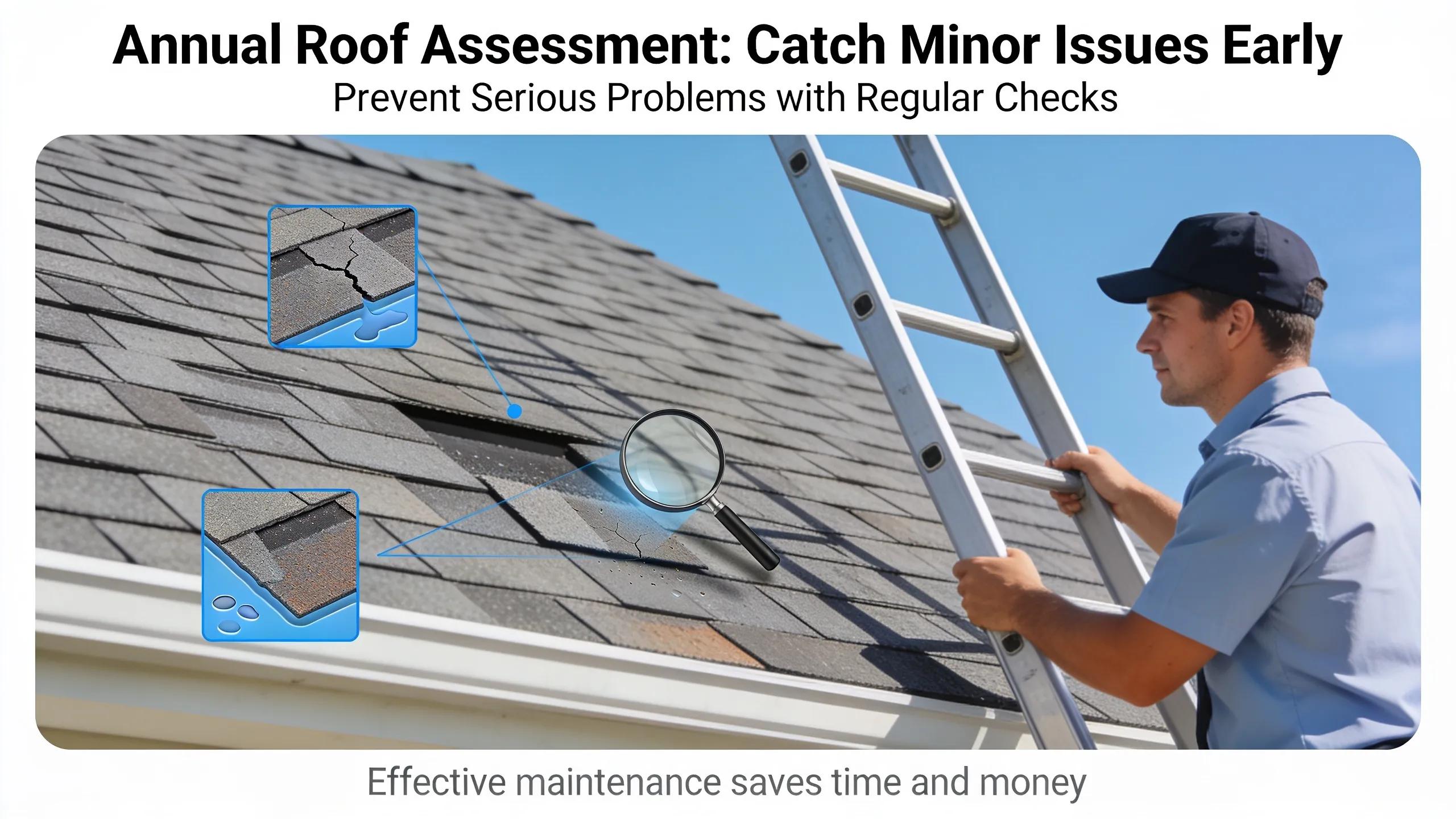
A full roof assessment belongs on the calendar once a year, at minimum, with additional checks after major storms. Skipping this step lets minor issues, like a lifted shingle or clogged drain, turn into structural damage that costs far more to fix. An annual review catches these problems early, before water finds its way into the attic or ceiling. Property managers overseeing multiple buildings benefit even more from consistency. Deferred inspections often mean deferred repairs across an entire portfolio.
Effective roof care is not a once-a-year glance from the driveway. It works as an ongoing checklist, reviewed at regular intervals throughout the year rather than a single seasonal walk-through. Spring and fall inspections, paired with post-storm checks, give homeowners and facility managers a realistic picture of roof condition across changing weather cycles.
How often should a commercial roof be inspected compared to a residential one?
Commercial roofing systems often carry higher inspection frequency due to larger surface areas, more rooftop equipment, and stricter insurance requirements. Residential roofing typically follows a simpler twice-yearly rhythm, spring and fall, with storm-triggered checks added as needed. Both property types share one rule: consistency matters more than intensity.
What should trigger an inspection outside the normal schedule?
Hail, high winds, fallen branches, or sudden leaks all warrant an immediate look, regardless of the last scheduled visit. Waiting until the next planned inspection after visible storm damage risks turning a simple roof repair into a full roof installation project.
A practical inspection rhythm includes:
- Schedule a spring inspection to assess winter wear.
- Schedule a fall inspection before freezing temperatures arrive.
- Request a professional check after any severe storm.
- Call a licensed roofer immediately if leaks or sagging appear.
Roofing Repair Specialists’ nationwide network of licensed, insured roofers allows rapid mobilization once an inspection uncovers trouble, minimizing downtime for homes and businesses alike.
How Do You Clean Gutters And Downspouts?
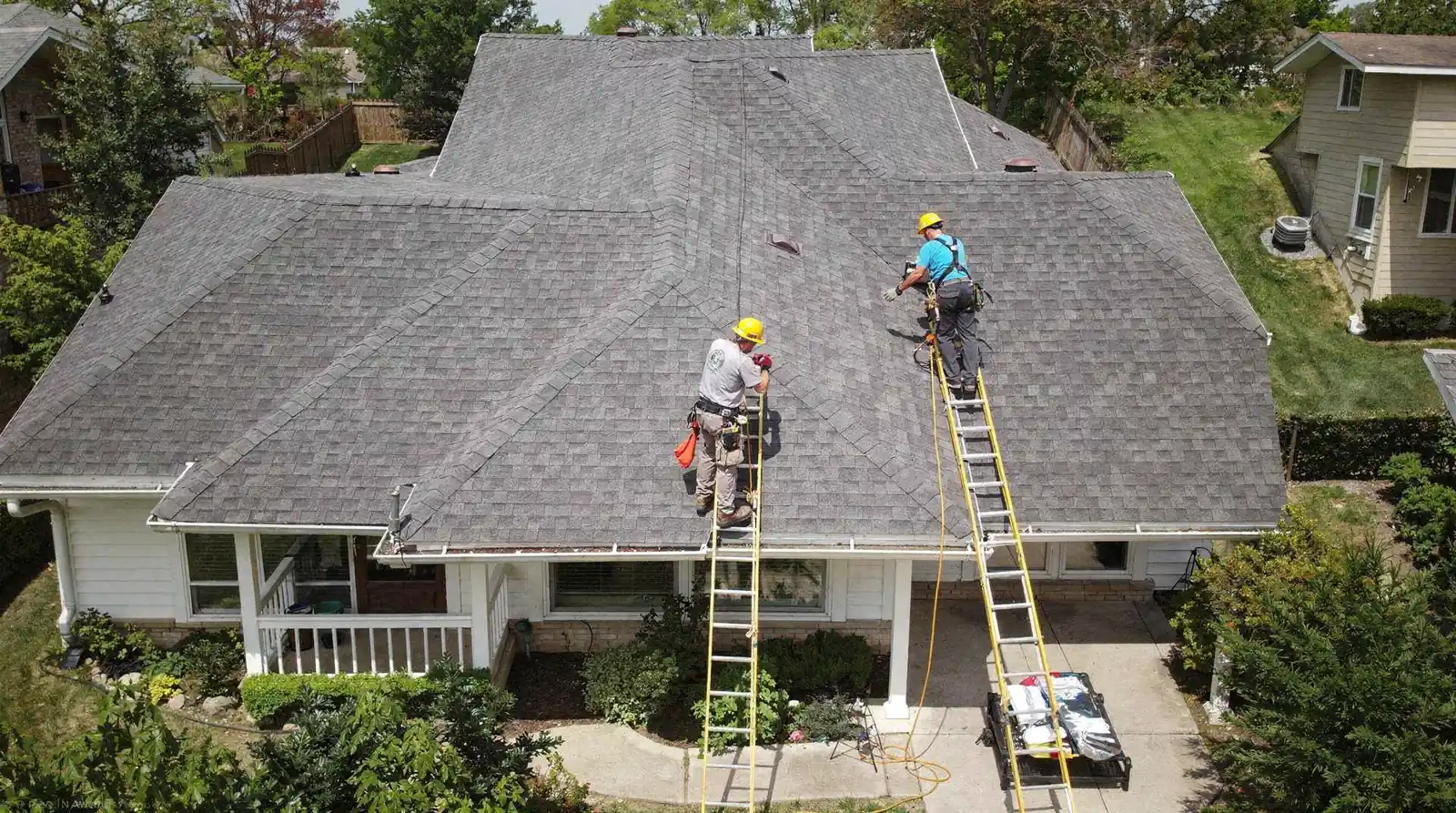
Clean gutters and downspouts through a methodical sequence: clear debris, flush with water, and inspect attachment points. Clogged channels send water pooling under shingles and along fascia boards, creating conditions that shorten a roof’s lifespan. A yearly assessment that includes gutter clearing helps property owners catch minor issues early. They escalate into serious problems or cause damage to the broader roofing system.
Homeowners and property managers should follow this sequence each cleaning cycle:
- Set up a stable ladder on level ground and wear gloves before touching debris.
- Scoop out leaves, twigs, and grit by hand or with a small trowel.
- Flush the gutter channel with a garden hose, working from the far end toward the downspout.
- Check the downspout for blockages by running water through it; use a plumber’s snake if flow stalls.
- Inspect brackets, seams, and fascia boards for rust, sagging, or separation from the roofline.
- Confirm water drains at least several feet from the foundation to prevent basement seepage.
Roof repair needs often start at the gutter line, since backed-up water works its way under shingles and rots the decking beneath. Property owners who notice sagging sections, rust streaks, or persistent overflow should treat those signs as early warnings, not minor cosmetics.
Should Gutter Cleaning Be Paired With A Roof Inspection?
Gutter cleaning pairs naturally with a broader roof inspection, since both tasks catch problems while they remain small and inexpensive. Roofing Repair Specialists includes gutters installation alongside its roof installation, residential roofing, and commercial roofing maintenance programs, giving property owners one point of contact for both systems. Property owners can request a roof estimate that also addresses gutter concerns by contacting Roofing Repair Specialists directly. Bundling these assessments reduces the risk of overlooked damage between separate service visits.
What Care Do Asphalt Shingle Roofs Need?
Asphalt shingle roofs need seasonal inspections, prompt shingle replacement, and attention to weather damage before small problems spread. Roofing Repair Specialists includes asphalt shingle systems within its residential roofing portfolio, alongside metal, apartment, TPO, PVC, rubber, and spray foam options. Owners who skip routine checks risk moisture intrusion. Structural rot that costs far more to fix than a simple shingle swap.
Damaged shingles create two distinct risks. Gaps let moisture seep into the home, weakening decking and inviting mold growth over time. Loose shingles pose a separate danger. High winds can tear them free entirely, leaving bare patches exposed to the elements.
When should homeowners inspect their shingles?
Homeowners should examine shingles twice yearly: once before and once after their region’s harshest season. A property in a snowy climate benefits from checks before winter storms hit and again once conditions ease. This before-and-after rhythm catches cracked, curled, or missing shingles while repairs remain minor.
A basic inspection routine follows these steps:
- Walk the property perimeter and scan the roofline from ground level for missing or curled shingles.
- Check attic spaces for water stains, daylight gaps, or damp insulation.
- Clear debris from valleys and gutters that traps moisture against shingle edges.
- Photograph any suspect areas and note their location for a contractor visit.
- Schedule professional evaluation if damage extends beyond a few isolated shingles.
Is DIY shingle repair ever appropriate?
Minor visual checks suit most homeowners. Climbing onto a sloped roof carries real fall risk and can worsen hidden damage. Roof repair involving flashing, deep leaks, or widespread wind damage calls for licensed evaluation. Roofing Repair Specialists works with homeowners on projects ranging from targeted leak fixes to full roof installation, matching scope to the actual condition found during inspection.
How Should Apartment And Commercial Roofs Be Maintained?
Apartment and low-slope systems demand scheduled inspections, drainage checks, and membrane care from licensed crews. Neglect on a commercial building costs far more than routine upkeep. Ponding water and seam failures spread quickly across large, apartment surfaces. Facility managers who skip annual reviews risk emergency repairs that disrupt tenants and operations.
Commercial roofing projects benefit most from manufacturer-backed protection. PVC membrane systems, for example, can carry warranties rated up to 25 years when installed correctly and maintained on schedule. That kind of coverage only holds value if upkeep follows the manufacturer’s terms, so property managers should keep maintenance records current.
Maintenance crews handling apartment roofs follow OSHA-aligned safety protocols paired with strict quality control standards. This structured approach matters on commercial sites, where crews often work at height above active businesses. Facility managers receive guidance through system selection. Scheduling, reducing guesswork on which membrane or repair method fits the building’s needs.
What does a apartment roof maintenance visit typically include?
A thorough visit covers several core tasks:
- Inspect membrane seams and flashing points for separation.
- Clear drains and scuppers of debris to prevent ponding.
- Check rooftop equipment penetrations for sealant wear.
- Document findings and recommend repair timing before small issues expand.
When should a commercial property owner call for an estimate?
Property owners should call once ponding water, membrane blistering, or leak stains appear on interior ceilings. Roofing Repair Specialists can schedule an estimate for apartment or low-slope commercial roofs, backed by detailed research into the building’s condition. That research supports accurate assessments and competitive pricing, giving owners a clear picture before committing to [Commercial Roofing](https://roofingrepairspecialists.com/tennessee) work. Waiting past the first warning sign often turns a minor patch into a full Roof Repair project.
When Can You Repair Minor Roof Damage Yourself?
Small, surface-level issues qualify for do-it-yourself attention: a handful of loose nails, minor caulking touch-ups, or debris clearing near a downspout. Property owners may spot and fix some of these problems themselves. Complications often hide beneath the surface where an untrained eye won’t catch them. That gap is exactly where professional judgment earns its value.
Certain warning signs demand a phone call rather than a ladder. Waiting until water drips through the ceiling usually means the damage has already spread further than it appears from inside the attic. A stain on drywall rarely represents the full extent of moisture intrusion above it.
How do property owners know when a repair is beyond DIY scope?
Follow this sequence before deciding:
- Inspect from the ground with binoculars first; never climb onto a wet or steep roof.
- Check for isolated damage — one or two lifted shingles, minor flashing gaps, or small debris buildup.
- Rule out structural signs like sagging decks, widespread granule loss, or interior water stains.
- If damage stays localized and materials are accessible safely, proceed with a minor roof repair.
- If any structural or moisture concern appears, contact a licensed contractor immediately.
What happens once a professional gets involved?
Licensed roofers assess scope quickly and recommend the right path, whether that means a targeted patch or a broader residential roofing or commercial roofing solution. Roofing Repair Specialists connects property owners with a nationwide network of licensed, insured roofers equipped to handle everything from minor leaks to complete replacements. A streamlined intake process, paired with prompt communication, keeps repair timelines short and minimizes downtime for homes and businesses awaiting a full roof installation or emergency fix.
When Should You Schedule A Professional Roof Inspection?
Property owners should book a professional inspection twice yearly, once in spring and once in fall, plus immediately after any major storm. Skipping these checkpoints turns a small, cheap fix into a costly Roof Repair or even a full Roof Installation project. Seasonal upkeep marks the difference between a roof that lasts 20 years and one that pushes past 30. That gap often comes down to a handful of tasks completed in a single weekend.
Waiting until water stains show up on a ceiling costs far more than a scheduled checkup ever will. A maintenance routine lets owners catch worn flashing, cracked shingles, or clogged drains before they become emergencies. Both Residential Roofing clients and Commercial Roofing managers benefit from a schedule tied to the calendar rather than to visible damage.
How Often Should A Property Owner Schedule An Inspection?
Homeowners should plan on at least two inspections per year, timed around spring thaw and fall leaf-drop. Commercial property managers overseeing larger membrane systems often add a mid-summer check to catch heat-related wear before winter sets in.
Follow this sequence when planning an inspection:
- Mark spring and fall dates on a maintenance calendar before storm season arrives.
- Contact a licensed roofing contractor within 48 hours after any hailstorm, high wind event, or heavy snow load.
- Request a written inspection report covering flashing, drainage, and membrane condition.
- Schedule follow-up repairs right away if the report flags active leaks or structural wear.
- Request a free quote through the state-specific service pages, available across markets including Florida.
Should A New Roof Get Inspected Too?
Yes. Newly completed roofing systems still need a first-year checkup to confirm proper sealing and installation. Roofing Repair Specialists, headquartered in Miami Beach, Florida, coordinates licensed roofers nationwide to handle routine inspections and follow-up service after installation.
Consistent scheduling protects the investment behind a new roof and extends the service life of an aging one.
What Mistakes Should You Avoid In Roof Maintenance?
Delaying professional evaluation ranks as the costliest roof maintenance mistake property owners make. Small leaks left unaddressed by DIY patches often escalate into structural damage, forcing homeowners into expensive Roof Repair or even full Roof Installation work that a timely inspection could have prevented.
Avoiding a handful of recurring errors protects both budget and property. Consider these steps before tackling any maintenance task:
- Assess the scope of damage honestly before attempting a fix.
- Stop DIY work once repairs extend beyond surface-level shingle or flashing issues.
- Contact a licensed contractor rather than guessing at underlying causes.
- Request a consultation instead of postponing action after noticing warning signs.
When Should You Call a Professional Instead of DIY?
Knowing the line between a simple fix and a job requiring licensed expertise matters more than any single repair technique. Homeowners who understand this distinction protect their Residential Roofing investment. Avoid turning a minor issue into a major structural failure. Waiting too long remains one of the most common and expensive maintenance mistakes.
Does Skipping a Professional Assessment Cost More Long-Term?
Yes. Property owners who skip a detailed evaluation often miss issues that only trained inspection can catch. Roofing Repair Specialists offers competitive pricing paired with thorough research, giving both Commercial Roofing clients and homeowners an accurate picture of their building’s condition before small problems grow costly.
Property owners should not wait for visible damage to schedule an evaluation. A phone consultation with Roofing Repair Specialists connects clients with professionals equipped to catch issues early, preserving the roof’s lifespan and the property’s value. For homeowners seeking trusted local roofing services, Coral Springs Roofing Experts can also be a helpful local resource when professional roofing evaluation or maintenance is needed.
Consistent roof maintenance protects your investment and extends your system’s lifespan while preventing costly emergency repairs. By following a structured inspection schedule, addressing minor issues promptly, and partnering with licensed professionals, you safeguard your property against weather damage and premature deterioration. Roofing Repair Specialists brings expertise and reliability to every maintenance project, ensuring your roof remains in peak condition year after year. Take control of your roof’s health today—proactive care delivers lasting peace of mind and measurable long-term value.
FAQ
How often should a roof be inspected?
Schedule a full roof assessment at least once a year, with additional checks after major storms. Annual reviews catch minor issues like lifted shingles or clogged drains before they become costly structural damage.
How many chores does the roof maintenance checklist include?
The checklist includes 11 essential annual chores, such as gutter clearing, flashing checks, and debris removal. Performing these tasks consistently helps catch minor issues before they escalate.
Who should property owners call for professional roof repairs?
Roofing Repair Specialists in Miami Beach connects property owners with licensed professionals for installation, repair, replacement, maintenance, and emergency response. Every project includes a free estimate and a 100% satisfaction guarantee.
Facts
- Roofing Repair Specialists is located in Miami Beach, Florida, United States.